


Anaphylaxis Points & Stations
Our range of points and stations make it easy to store AAIs in a compliant way in line with the Department of Health guidance. It is important to ensure that AAIs are not 'locked' away.
"Schools should ensure that all AAI devices – including those belonging to a younger child, and any spare AAI in the Emergency kit – are kept in a safe and suitably central location: for example, the school office or staffroom to which all staff have access at all times, but in which the AAI is out of the reach and sight of children. They must not be locked away in a cupboard or an office where access is restricted. Schools should ensure that AAIs are accessible and available for use at all times, and not located more than 5 minutes away from where they may be needed. In larger schools, it may be prudent to locate a kit near the central dining area and another near the playground; more than one kit may be needed."
“Schools might like to keep the emergency kit together with an "emergency asthma inhaler kit" (containing an inhaler device and spacer). Many food-allergic children also have asthma, and asthma is a common symptom during food-induced anaphylaxis." - Department of Health: Guidance on the use of adrenaline auto-injectors in schools

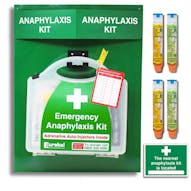
All-in-one solution for storing and accessing AAIs, includes EpiPens, AAI Wall-Point, Inspection Tags and FREE sign
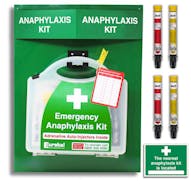
All-in-one solution for storing and accessing AAIs, includes JEXT Adrenaline Auto-Injectors, AAI Wall-Point, Inspection Tags and FREE Anaphylaxis Kit Location Sign
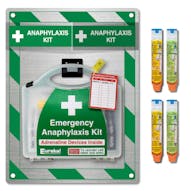
Premium silver anaphylaxis point for storing and accessing EpiPen AAIs quickly and easily
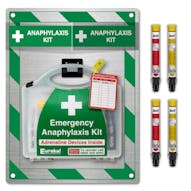
Premium silver anaphylaxis point for storing and accessing Jext AAIs quickly and easily
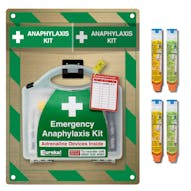
Premium gold anaphylaxis point for storing and accessing EpiPen AAIs quickly and easily
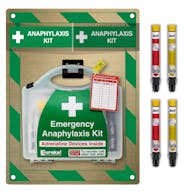
Premium gold anaphylaxis point for storing and accessing Jext AAIs quickly and easily
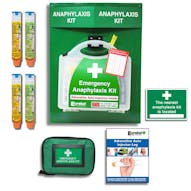
All-in-one solution for storing & accessing AAIs. Includes EpiPens, Wall-Point, School Log, Inspection Tags & FREE Pouch & Sign
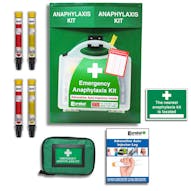
All-in-one solution for storing & accessing AAIs. Includes JEXT AAIs, Wall-Point, School Log, Inspection Tags & FREE Pouch & Sign
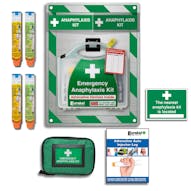
Premium silver anaphylaxis point with EpiPen AAIs and school starter pack for complete allergy readiness
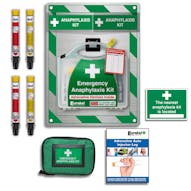
Premium silver anaphylaxis point with Jext AAIs and school starter pack for complete allergy readiness
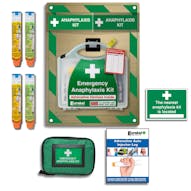
Premium gold anaphylaxis point with EpiPen AAIs and school starter pack for complete allergy readiness
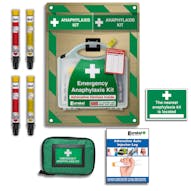
Premium gold anaphylaxis point with Jext AAIs and school starter pack for complete allergy readiness
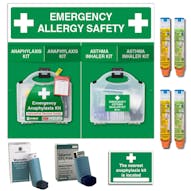
All-in-one emergency allergy safety station with EpiPen AAIs and inhaler kit, providing fast, centralised access to life-saving medication for anaphylaxis and asthma emergencies
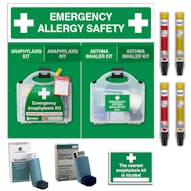
All-in-one emergency allergy safety station with Jext AAIs and inhaler kit, designed for quick, reliable response to anaphylaxis and asthma incidents
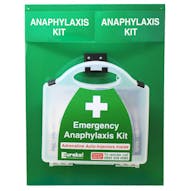
Create a clearly identified AAI Point with this all-in-one Emergency Anaphylaxis Kit, designed for fast and safe access
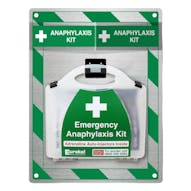
Premium silver anaphylaxis point supplied with an empty anaphylaxis kit for your own AAI storage setup
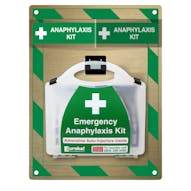
Premium gold anaphylaxis point supplied with an empty anaphylaxis kit for your own AAI storage setup
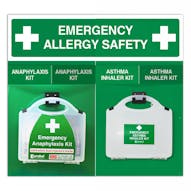
Emergency allergy safety station supplied with empty anaphylaxis and inhaler kit boxes, ideal for custom stocking and clear, centralised emergency preparedness
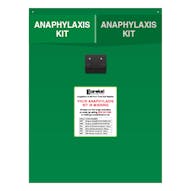
Visible and AAI storage solution for your choice of AAI Starter Pack designed to meet Department of Health guidance
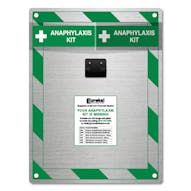
Premium silver anaphylaxis point unstocked, ready to customise with your own AAIs and kit
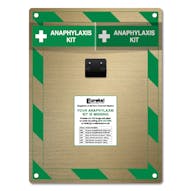
Premium gold anaphylaxis point unstocked, ready to customise with your own AAIs and kit
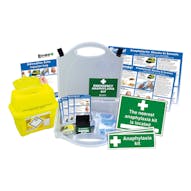
Starter packs will allow your school to implement an emergency AAI protocol
Storage For EpiPens and Adrenaline Injectors

Our range of points, boxes and signage make it easy to store AAIs in a compliant way in line with the Department of Health guidance. It is important to ensure that AAIs are not 'locked' away.
"Schools should ensure that all AAI devices – including those belonging to a younger child, and any spare AAI in the Emergency kit – are kept in a safe and suitably central location: for example, the school office or staffroom to which all staff have access at all times, but in which the AAI is out of the reach and sight of children. They must not be locked away in a cupboard or an office where access is restricted. Schools should ensure that AAIs are accessible and available for use at all times, and not located more than 5 minutes away from where they may be needed. In larger schools, it may be prudent to locate a kit near the central dining area and another near the playground; more than one kit may be needed."
We also supply our anaphylaxis kits with simple but effective tamper tags which dissuade from misuse and prevent accidental opening, but allow for emergency access to devices in seconds when needed.
Signposting Adrenaline Injectors and Anaphylaxis Kits
As with all first aid and emergency medical supplies, Adrenaline Injectors should be properly signposted with compliant and universally recognised signage.
Signage for first aid and medical supplies is classed as ‘safe condition’ signage, and should be green with white text and a first aid cross to be compliant with ISO standards and Health and Safety (Signs and Signals) Regulations 1996.
This is important to ensure that emergency Anaphylaxis provisions are signposted consistently with other signage that will already exist on your premises.
The HSE state: “Where signs of the same type are used in a workplace, they should be of a consistent style and design to ensure they are easily and quickly understood.”
- Consistency of design is important to avoid confusion and ensure messages are clearly understood.
- Signs should conform to the standardised designs laid out in the Signs and Signals regulations, particularly regarding colour, shape, and symbols.
- Using different styles of signs to convey the same type of message (e.g., multiple types of safe condition or emergency signs) is not recommended because:
- It can dilute recognition.
- It may cause hesitation or misinterpretation in emergencies.
- It can reduce overall effectiveness and compliance.

