- Notice regarding AAIs and Inhalers to Schools:

As schools make allergy safety arrangements for Benedict’s Law compliance, demand is high. New orders for AAIs and Inhalers placed during September may be subject to a 10-14 working day lead time. Thank you for your patience and understanding.

Home Medical Consumables EpiPens & Anaphylaxis Kits for Schools Adrenaline Auto-Injector Carry Cases

Adrenaline Auto-Injector Carry Cases

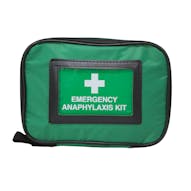
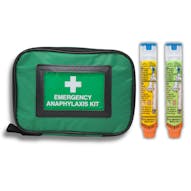
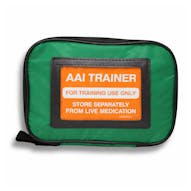
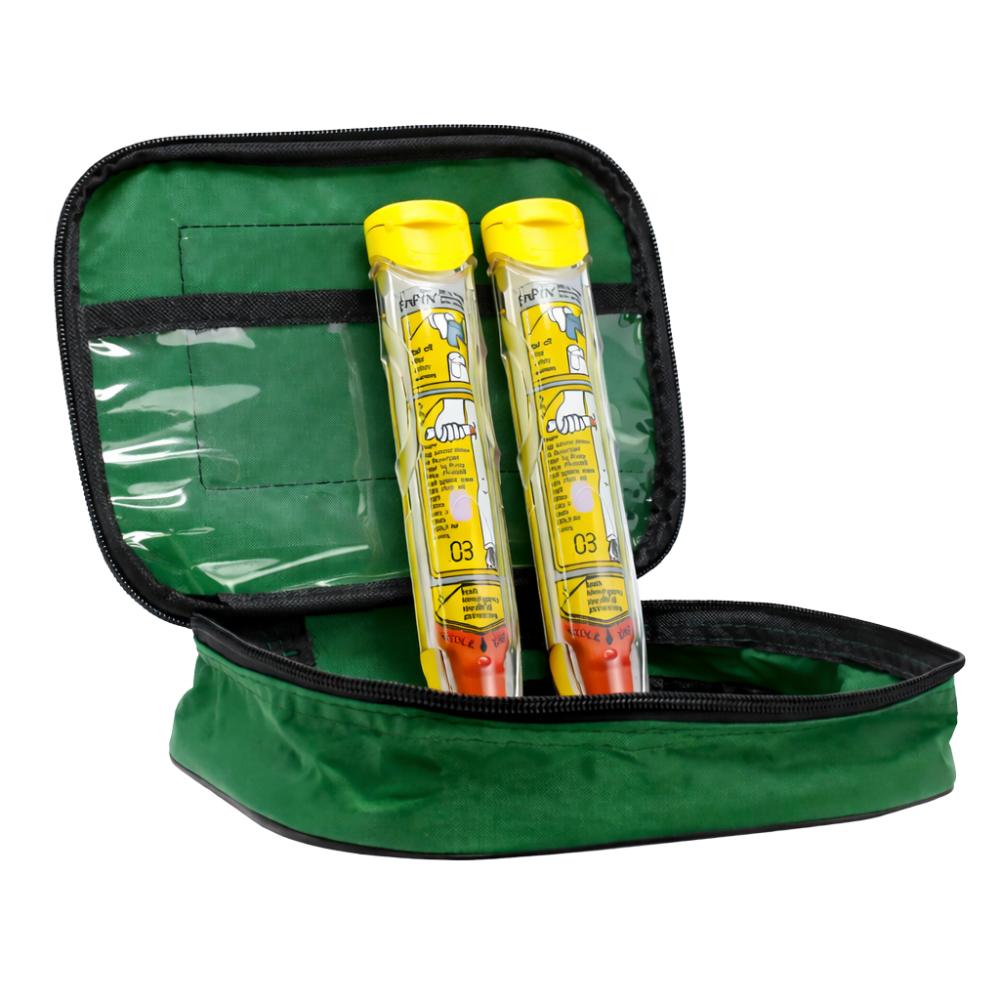
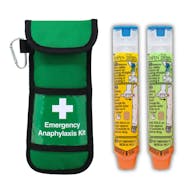
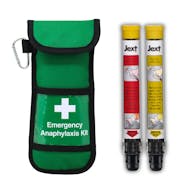
Ensure your adrenaline auto-injectors (AAIs) are stored safely and can be accessed quickly with our range of AAI carry cases. Designed for schools, workplaces, and organisations responsible for allergy management, these cases support safe storage, visibility, and rapid response during an anaphylaxis emergency.

Our anaphylaxis carry cases and kits help protect devices from direct sunlight and maintain suitable storage conditions in line with Department of Health guidance. Each case keeps AAIs clearly identifiable, easy to access, and ready to transport across large sites, during off-site activities, or in dynamic environments where rapid response is essential.

This range includes insulated AAI cases, emergency anaphylaxis pouches, and carry cases supplied with EpiPen or JEXT AAIs, offering solutions for both everyday preparedness and emergency response. Designed to support compliance and improve emergency readiness.

Please note that we cannot accept returns on pharmaceutical products.

What Does Benedict's Law Mean For Schools?

The new statutory guidance has introduced stronger statutory requirements for allergy safety in schools in England. Issued alongside the Children's Wellbeing and School Act, it builds on and strengthens existing AAI guidance established by the Department for Health.

Schools in England must now:

  • Develop and publish a whole-school allergy policy setting out how allergies are managed and how emergencies will be handled
  • Provide appropriate training to all staff to help recognise anaphylaxis and respond effectively
  • Ensure access to emergency adrenaline auto-injectors (AAIs) where required
  • Put individual allergy or healthcare plans in place for pupils with diagnosed allergies
  • Maintain clear communication and accurate records relating to allergies and allergic reactions
  • Meet legal responsibilities concerning food safety and allergen information. This includes documented arrangements for identifying allergens, preventing cross-contact, communicating allergen information and ensuring the correct food reaches the correct pupil

Image Full

Under the new requirements, schools are expected to implement a comprehensive Allergy Policy, which incorporates:

  • Keeping spare adrenaline auto-injectors available on site and accessible within five minutes
  • Providing regular anaphylaxis training for all staff as standard practice
  • Ensuring the policy covers the full range of medical and allergic conditions, including allergic asthma
  • Ensuring pupils with allergies can participate fully and safely in all school activities
  • Logging of plans, procedures, incidents and near misses
  • Schools that provide food on a regular and organised basis are considered food businesses and therefore must make arrangements for identifying allergens, preventing cross-contact, communicating allergen information


Providing Emergency Allergy Provisions On Day Trips

Without proper policies and safeguards, allergies exclude some students from taking part in school activities. The latest guidance changes this.

Image Full

Arrangements must now be clear and unambiguous about the need for proactive support so that children and young people with medical conditions can participate in school trips and visits, or in sporting and extracurricular activities, and not prevent them from doing so.

Schools, colleges and early years settings should consider what arrangements they need to make to enable children with medical conditions to participate fully and safely on trips and visits.

A risk assessment should be carried out so that planning arrangements take account of any reasonable adjustments needed to ensure that children and young people with medical conditions are included, including allergies. 

Such plans should include how individuals at risk of anaphylaxis will have access to their prescribed adrenaline devices, alongside any “spare” adrenaline devices; and how children and young people with allergies will be able to participate safely in visits, trips and extra-curricular activities

Our range of anaphylaxis kit soft pouches and insulated pouches are a simple and cost-effective solution for ensuring that prescribed or emergency/spare devices can be readily available on school visits/trips, or activities away from the main school building, and clearly identifiable at all times as part of such arrangements.

Image Full

Why Buy EpiPens & Anaphylaxis Kits From Eureka?

Image Full

Order exactly what your organisation needs, when you need it, along with other essential supplies. The number of people with allergies or prescribed different types of AAI can vary each year, so it’s important to remain dynamic with your plans

Image Full

Choose from leading brands to suit your organisations requirements

Image Full

Instant Credit for all established UK organisations

Image Full

Free gift with all orders over £150

Image Full

Innovative and sustainable temperature controlled packaging enables most orders to be delivered next working day

Image Full

Products expressly created to meet official guidance

Image Full

Rated 'Excellent' on Trustpilot from thousands of reviews. 95% of our reviews are 4 stars or better

Reviews

Don’t just take our word for it – here are just some of things our customers say after buying from us:

Image Full

Thank you for making the ordering process as simple as possible

Great prices, fast delivery, pleasure to do business with

Exceptional Service – Highly Recommend to Schools